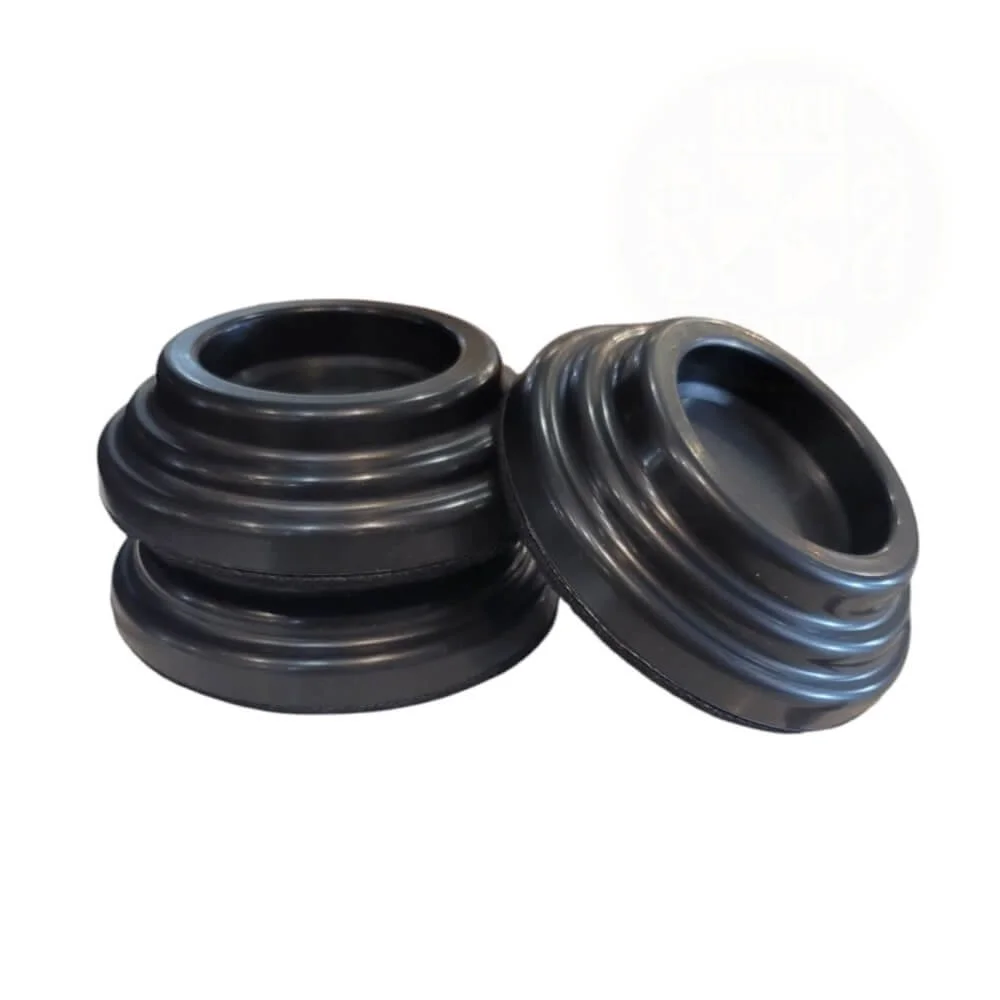
Piano Caster Cups SHOCK ABS Set of 3, Large, Black

$149.00

Features

  • Size: Large

  • Color: Black

  • ABS (Acrylonitrile Butadiene Styrene)

  • Inner Diameter: 3″

  • Outer Diameter: 7″

  • Excellent for grand pianos

  • Felt installed under to avoid scratches on your hardwood floor

  • Set of 3

The Strength and Durability of ABS (Acrylonitrile Butadiene Styrene)

ABS (Acrylonitrile Butadiene Styrene) is a durable, lightweight thermoplastic widely used in various industries for its excellent impact resistance, toughness, and ease of manufacturing. ABS consists of three monomers: acrylonitrile provides chemical resistance, butadiene offers flexibility and impact strength, and styrene creates a smooth, glossy finish. Manufacturers commonly use ABS in automotive components, protective gear, consumer electronics, and home hardware. Its strength and stability make it ideal for applications like piano caster cups. It provides reliable support and floor protection under heavy instruments.

How to Put Caster Cups Under Piano

Placing caster cups under a piano can help protect your floor from damage and stabilize the piano. Here's a step-by-step guide to doing it safely and effectively:

Materials Needed:

  • Caster cups designed for piano

  • A friend or helper

  • A lever (optional, for heavier pianos)

  • Soft cloth or padding (optional)

Steps:

  1. Choose the Right Caster Cups

    Ensure you have the appropriate caster cups for your type of piano (upright or grand). They should be able to support the weight and fit the size of the casters.

  2. Prepare the Area

    Clean the floor where the piano will be placed to remove any debris that might scratch the surface. You can also place a soft cloth or padding around the area to protect the floor during the process.

  3. Position the Caster Cups

    Place the caster cups roughly where each leg or wheel of the piano will rest. For a grand piano, you’ll need three caster cups (one for each leg), and for an upright piano, you’ll need four (one for each corner).

  4. Lift the Piano

    • With a Helper - It’s best to have at least one other person to help you. Together, carefully lift one end of the piano just enough to slide the caster cups underneath the legs.

    • Using a Lever - For heavier pianos, you might use a lever. Place a sturdy piece of wood or metal under the edge of the piano and carefully press down to lift the piano slightly. Slide the caster cup into position with your other hand or have someone assist you.

  5. Slide the Caster Cups Under the Casters

    Once the piano is lifted, slide the caster cup under the caster. Make sure it’s centered under the wheel or leg.

  6. Lower the Piano Gently

    Carefully lower the piano onto the caster cup. Ensure that the leg or wheel sits securely in the cup. Repeat this process for each leg or wheel.

  7. Check Stability

    After all caster cups are in place, check the stability of the piano. It should be stable and level. Adjust the position of the caster cups if necessary.

Tips:

  • Be Careful with Heavy Lifting

    Pianos are extremely heavy, and improper lifting can cause injury or damage to the piano and floor. If the piano is particularly large or heavy, consider hiring professional movers.

  • Use Proper Lifting Techniques

    When lifting, bend your knees and keep your back straight to avoid strain.

  • Check for Damage

    Regularly check the caster cups for any signs of wear or damage and replace them if needed to ensure continued protection for your floor and stability for your piano.

By following these steps, you can safely and effectively place caster cups under your piano, protecting both your instrument and your flooring.

Features

  • Size: Large

  • Color: Black

  • ABS (Acrylonitrile Butadiene Styrene)

  • Inner Diameter: 3″

  • Outer Diameter: 7″

  • Excellent for grand pianos

  • Felt installed under to avoid scratches on your hardwood floor

  • Set of 3

The Strength and Durability of ABS (Acrylonitrile Butadiene Styrene)

ABS (Acrylonitrile Butadiene Styrene) is a durable, lightweight thermoplastic widely used in various industries for its excellent impact resistance, toughness, and ease of manufacturing. ABS consists of three monomers: acrylonitrile provides chemical resistance, butadiene offers flexibility and impact strength, and styrene creates a smooth, glossy finish. Manufacturers commonly use ABS in automotive components, protective gear, consumer electronics, and home hardware. Its strength and stability make it ideal for applications like piano caster cups. It provides reliable support and floor protection under heavy instruments.

How to Put Caster Cups Under Piano

Placing caster cups under a piano can help protect your floor from damage and stabilize the piano. Here's a step-by-step guide to doing it safely and effectively:

Materials Needed:

  • Caster cups designed for piano

  • A friend or helper

  • A lever (optional, for heavier pianos)

  • Soft cloth or padding (optional)

Steps:

  1. Choose the Right Caster Cups

    Ensure you have the appropriate caster cups for your type of piano (upright or grand). They should be able to support the weight and fit the size of the casters.

  2. Prepare the Area

    Clean the floor where the piano will be placed to remove any debris that might scratch the surface. You can also place a soft cloth or padding around the area to protect the floor during the process.

  3. Position the Caster Cups

    Place the caster cups roughly where each leg or wheel of the piano will rest. For a grand piano, you’ll need three caster cups (one for each leg), and for an upright piano, you’ll need four (one for each corner).

  4. Lift the Piano

    • With a Helper - It’s best to have at least one other person to help you. Together, carefully lift one end of the piano just enough to slide the caster cups underneath the legs.

    • Using a Lever - For heavier pianos, you might use a lever. Place a sturdy piece of wood or metal under the edge of the piano and carefully press down to lift the piano slightly. Slide the caster cup into position with your other hand or have someone assist you.

  5. Slide the Caster Cups Under the Casters

    Once the piano is lifted, slide the caster cup under the caster. Make sure it’s centered under the wheel or leg.

  6. Lower the Piano Gently

    Carefully lower the piano onto the caster cup. Ensure that the leg or wheel sits securely in the cup. Repeat this process for each leg or wheel.

  7. Check Stability

    After all caster cups are in place, check the stability of the piano. It should be stable and level. Adjust the position of the caster cups if necessary.

Tips:

  • Be Careful with Heavy Lifting

    Pianos are extremely heavy, and improper lifting can cause injury or damage to the piano and floor. If the piano is particularly large or heavy, consider hiring professional movers.

  • Use Proper Lifting Techniques

    When lifting, bend your knees and keep your back straight to avoid strain.

  • Check for Damage

    Regularly check the caster cups for any signs of wear or damage and replace them if needed to ensure continued protection for your floor and stability for your piano.

By following these steps, you can safely and effectively place caster cups under your piano, protecting both your instrument and your flooring.